Description
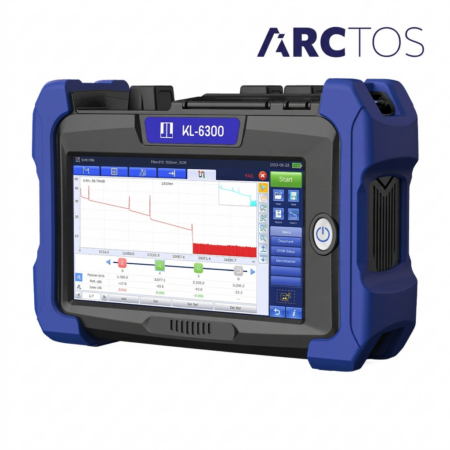
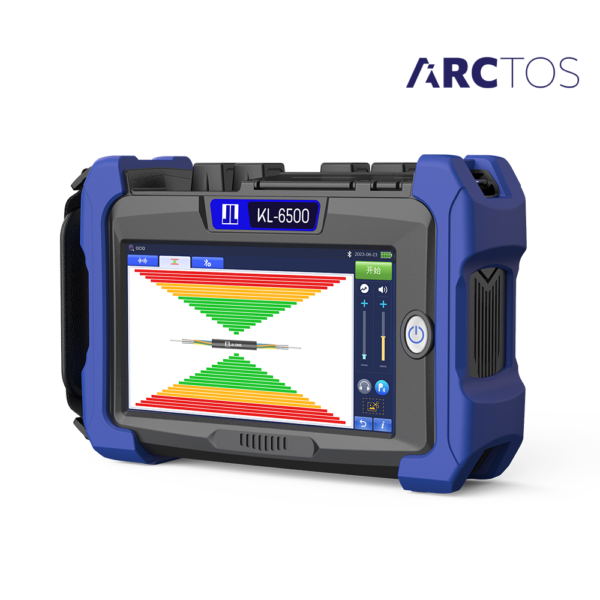
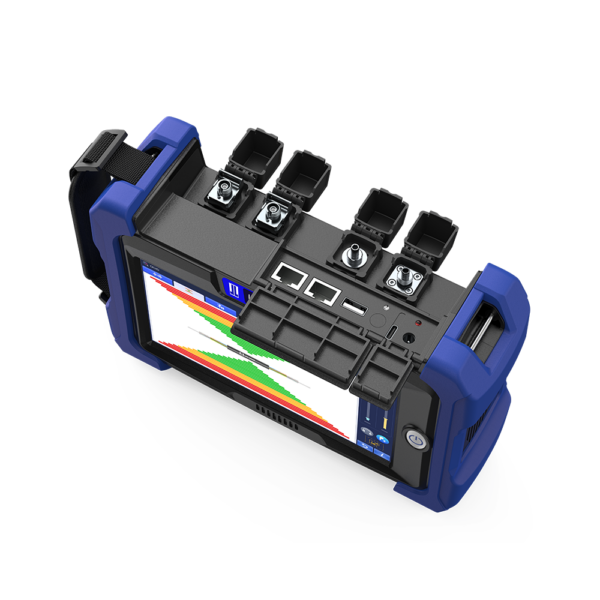
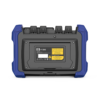
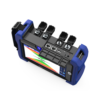
The JILONG KL-6500 combines optical cable identification and OTDR measurements. Initially, the OCID function helps the technician identify the cable with audible and visual indicators. In addition, the instrument offers functions for testing the optical line. This allows the crew to combine more tasks in one device.
JILONG KL-6500 for Fiber Optic Network Testing
Initially, the technician defines the purpose of each test. For example, cable identification helps identify the correct route. Similarly, the OTDR analyzes the optical fiber and displays events along the line.
At the same time, optical power measurement provides different information from the OTDR trace. Therefore, each function serves a specific task. For more information, read the guide to OTDR operation and use in fiber optics.
Key Technical Features
| Feature | Manufacturer Details |
|---|---|
| Wavelengths: | 1310/1550 nm |
| OCID Recognition | 1550 nm, maximum distance of 40 or 80 km, depending on the version |
| Event / attenuation dead zones | 1 / 3 m, under the manufacturer’s test conditions |
| Touchscreen | 7″, 1024 × 600 resolution |
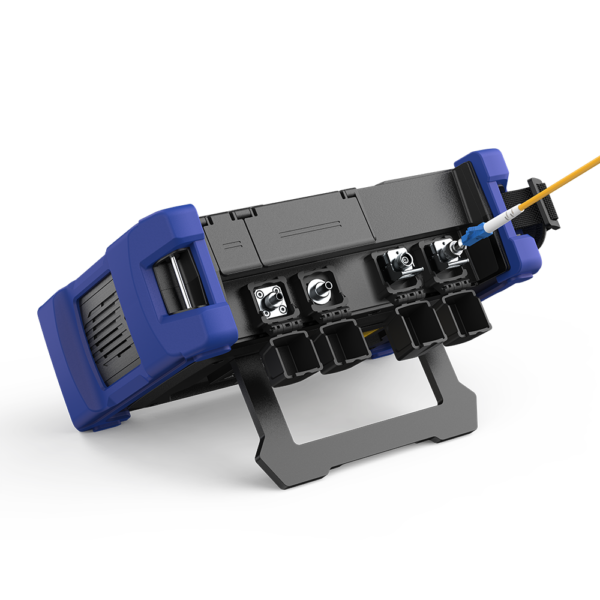
| Device Functions | OPM, stable light source, VFL, RJ45 testing |
| Measurement Analysis | iOLA, Link Map, Pass/Fail, comparison of up to 4 traces |
| Files and Communication | PDF export, USB, Wi-Fi, and VNC remote control |
| Battery | 7,4 V / 10.500 mAh |
| Nominal Battery Life | 12 hours with a new battery, according to the manufacturer |
| Optional Equipment | FIP connector inspection microscope and GPS |
JILONG KL-6500 Versions
The series offers four versions. However, each version has a specific dynamic range and splitter testing capability. Therefore, compare the following details before making your selection.
| Version | Dynamic Range 1310/1550 nm | Maximum Splitter |
|---|---|---|
| AS1 | 32/30 dB | 1:32 |
| AS2 | 35/33 dB | 1:64 |
| BS1 | 32/30 dB | 1:32 |
| BS2 | 35/33 dB | 1:64 |
The table presents the manufacturer’s available options and not the store’s stock. For this reason, please request confirmation of the version and availability before placing an order. In addition, see the official JILONG documentation.
Organization and Evaluation of Measurements
First, record the line and the connection point. Then, set the measurement parameters and the project acceptance limits. This way, the Pass/Fail result is based on specific testing criteria.
In addition, examine the trace together with the event table. For example, match each indication with the connectors and splices along the route. For practical instructions, read the guide to reading OTDR traces, losses, and reflectance..
Finally, save each measurement with a clear line name. This allows the crew to easily locate the project files. At the same time, technicians can compare previous and new results.
Frequently Asked Questions
How do I choose the right version?
First, record the network length, total losses, and splitter configuration. Then, compare these requirements with the features of each version.
Is the maximum distance enough for selection?
No. In addition, check the dynamic range and the route losses. The actual network conditions affect the measurement capability.
What should I check in the accessories?
First, request a detailed list of the package contents. Then, confirm the optical adapters and any additional accessories of your choice.
Where can I compare another OTDR instrument?
See also the Honserv HSV-100D portable OTDR. However, compare each instrument based on the functions required by your work.
Where can I request information in Athens?
ARCTOS Solutions has a store in Galatsi. First, mention your applications. Then, request information about the version, accessories, and availability.
Equipment Selection at ARCTOS Solutions
For the JILONG KL-6500, contact ARCTOS Solutions. Together, we review the requirements of your project. This allows you to choose the right configuration and the necessary accessories.
📍 6 Dilou Street, Galatsi, Athens, Attica, 11147.