Description
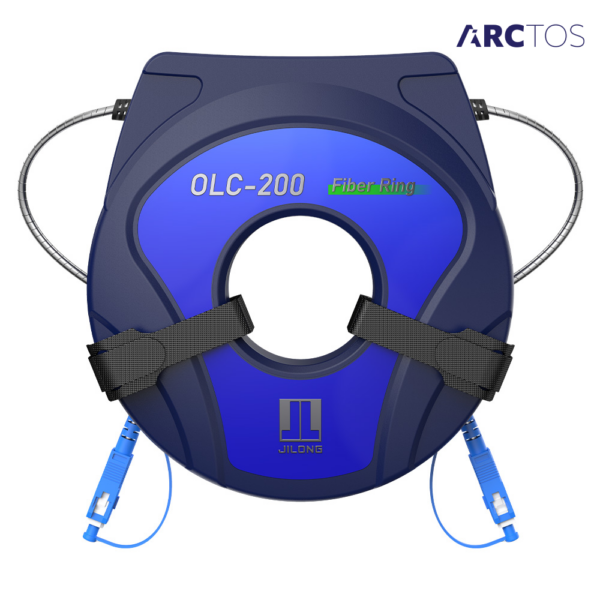
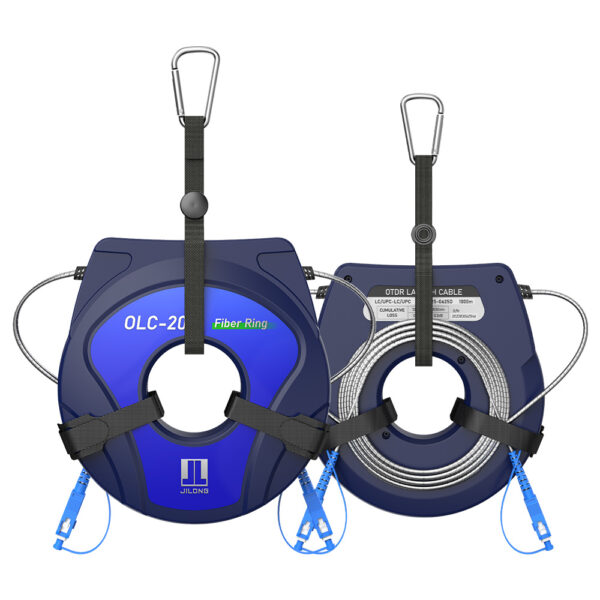
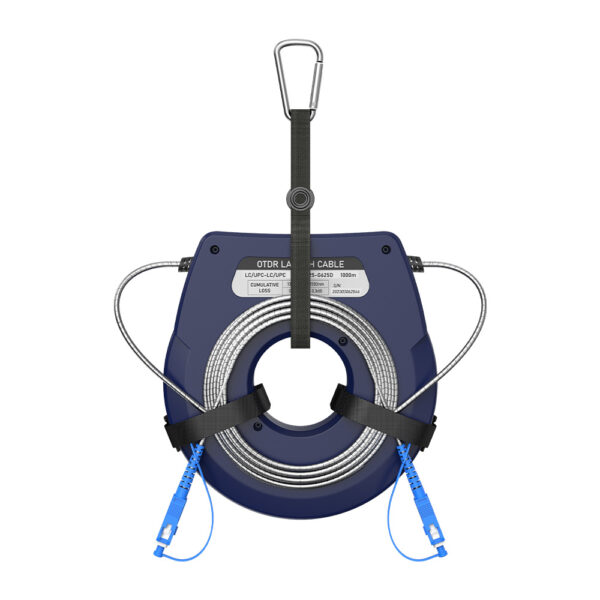
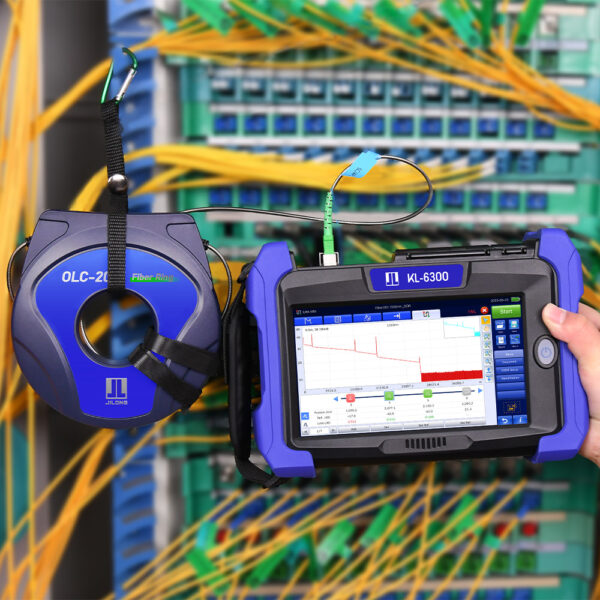
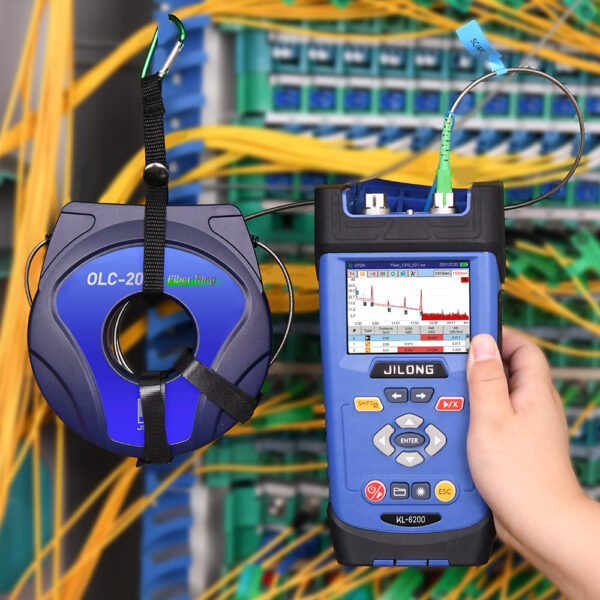
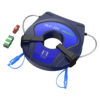
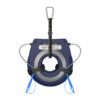
The OTDR Launch Cable JILONG OLC-200 is a launch fiber designed for testing fiber optic links with an OTDR. It is suitable for technicians who need to properly evaluate the beginning and end of a fiber link. The additional fiber provides the required distance between the OTDR and the first connector, helping the technician evaluate the input connection more accurately.
For an introduction to OTDR measurements, read our guide what an OTDR is and how it is used in fiber optics.
OTDR Launch Cable for the Beginning and End of the Fiber Link
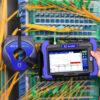
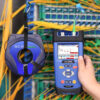
In the launch setup, place the additional fiber between the instrument and the link under test. Similarly, to evaluate the final connector, add a receive fiber at the far end. Therefore, testing both ends requires an appropriate launch and receive setup.
However, the additional fiber does not eliminate the instrument’s dead zones. The correct length reduces their effect on the measurement of the end connections. In addition, the pulse width affects the required distance. For this reason, choose the length according to the OTDR and the test settings.
Manufacturer Features and Options
| Feature | Series Details |
|---|---|
| Manufacturer / Model | JILONG / OLC-200 |
| Construction | Compact, lightweight body with a disc-shaped design. |
| Exposed Cable Protection | Stainless steel protective covering |
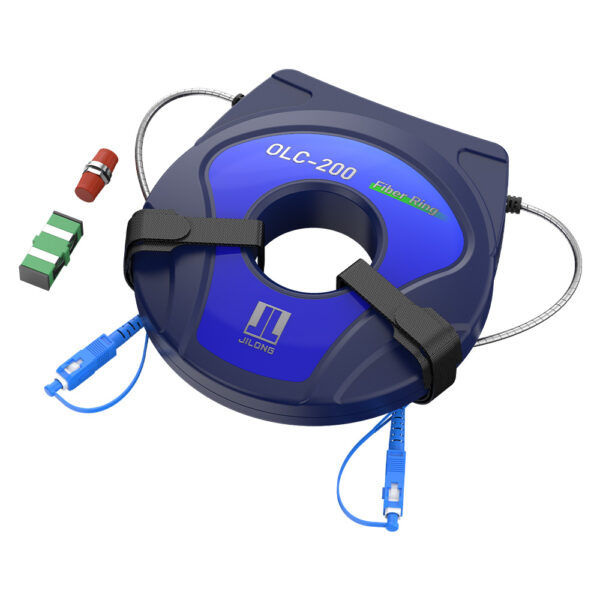
| Storage | Optical Adapter Compartment |
| Custom Length | 100–2.000 m |
| Connector Types | FC, SC, ST, LC, depending on the configuration. |
| OS2, 9/125 μm | 150, 300, 500 or 1.000 m |
| OM1, 62,5/125 μm | 500 or 1.000 m |
| OM2, 50/125 μm | 500 or 1.000 m |
| OM3, 50/125 μm | 100 or 300 m |
The above options refer to the manufacturer’s product series. Before placing an order, confirm the version and availability with ARCTOS Solutions. Detailed information can be found in the official JILONG page.
How to Choose the Right OTDR Launch Cable
First, check the type of fiber you will be testing. Then, confirm the connectors and polish type at both ends. Choosing SC or FC alone does not determine whether you need APC or UPC.
At the same time, consider the length of the additional fiber together with the pulse width. Do not choose based solely on the total network length. Finally, confirm compatibility with the specific port of the instrument.
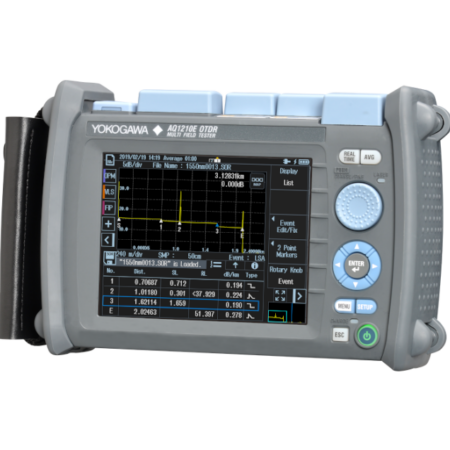
If you are also looking for a measuring instrument, see the Honserv HSV-100D portable OTDR. First, check the connection configuration required by your equipment.
Preparation Before Measurement
Before starting, inspect and clean the connector end faces. Then, connect the launch fiber and select the appropriate parameters. At the same time, keep the settings consistent when comparing consecutive measurements.
For interpreting the trace, refer to the guide to reading OTDR traces, losses, and reflectance..
Frequently Asked Questions
Is it a measuring instrument?
No. It is a passive accessory used together with an OTDR.
Is the OLC-200 200 meters long?
OLC-200 is the model code. Therefore, you should check the length of the specific version you are ordering separately.
Is one fiber enough to test both ends?
To evaluate both end connections in the same measurement, you need a launch fiber and a receive fiber in their respective positions.
What length should I choose?
The choice depends on the attenuation dead zone and the instrument settings. Therefore, follow the instructions for the specific OTDR.
How can I get help choosing the right option in Athens?
Contact ARCTOS Solutions and provide the instrument model, fiber type, and connector types. This allows us to discuss the configuration you need.
Equipment Selection at ARCTOS Solutions
Choose the OTDR Launch Cable based on the actual requirements of the measurement. For information and version confirmation, contact ARCTOS Solutions in Galatsi.
📍 6 Dilou Street, Galatsi, Athens, Attica, 11147.